


Dhiraj Kandel
Managing DirectorSchedule a free consultation with our expert counselors to discuss your study
The essentials at a glance
Nepali graduates can start a masters in Canada with a recognized bachelor's degree, about a B average and an English score. A master's at a public school needs no provincial letter. It can also lead to a work permit of up to 3 years. This page covers entry rules, 1 year programs, fees, universities and how to apply.
Main points from this page
Good news for Nepali graduates: a master’s in Canada is simpler to start now, as public schools no longer need a provincial letter. Fees can be lower than many families expect. This guide covers entry rules, one-year options, costs and universities.
A master’s is one route if you plan to study in Canada from Nepal. All fees here are in Canadian dollars, and rupee figures are rounded. See today’s value on our CAD to Rs forex converter.
Nepali students choose a masters in Canada for lower average fees than a bachelor’s, no provincial letter at public schools, and a work permit of up to 3 years.

Three facts matter most. The national average graduate fee is CAD 24,693 a year for 2026/27, well below the bachelor’s average. IRCC, Canada’s immigration department, doesn’t ask for a provincial attestation letter for a master’s degree program at a public school.
After you graduate, a master’s can lead to a post-graduation work permit of up to 3 years. There is no field-of-study rule for a master’s degree. Our PGWP guide has the details, and our PAL guide explains who still needs a letter.
You usually need a recognized bachelor’s degree with about a B average, an English test score and your supporting documents, though some programs also want work experience.
The University of Manitoba asks for a four-year bachelor’s or equivalent with 3.0 in your last 60 credit hours. The University of Toronto wants at least a mid-B in your final year. Our guide to the GPA required to study in Canada shows more examples.
Many Nepali bachelor’s degrees take three years, so check this first. Some master’s programs ask for four years of study. Your degree may also need review, and our degree equivalence guide explains the steps in Nepal.
English rules are stricter than for a bachelor’s. Toronto’s graduate school asks for IELTS 7.0 with 6.5 in each part, and McGill’s graduate office doesn’t accept PTE. Our guide to PTE vs IELTS vs TOEFL for Canada helps you choose a test.
Most applications also ask for these papers:
Yes, 1 year masters programs in Canada exist, mostly in business and other course-based fields, but research master’s degrees usually take longer.
Before you pick a short course, check its length against the work permit rule. A program under 8 months doesn’t lead to a PGWP, so check that first. IRCC also says your work permit length depends on your study and your passport expiry, so keep your passport valid.
Good universities in Canada for masters are the ones that offer your subject at a fee you can show, so Nepali students should compare several.
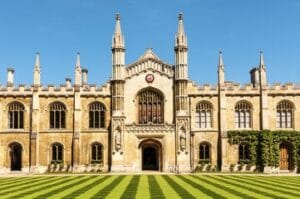
We don’t rank universities, since the right one depends on your course and budget. Start with our best universities in Canada for Nepali students page, which links each profile. These profiles are useful if you want a smaller or lower-fee choice:

Choose your subject first, not a famous name, and keep 2 or 3 schools on your list. Then compare fees, your city’s living costs, and whether a school accepts your English test. Don’t count on one school either, as UBC’s graduate office says meeting its minimums doesn’t mean you will be admitted. Apply to more than one school.
Popular master’s choices for Nepali students include business, data science, public health and engineering, and most run for 1 to 2 years.
Read the guide closest to your plan:
Keep your course logical. A master’s that follows your bachelor’s or your work is easier to explain in your SOP for a Canada student visa. A sudden change of field needs a clear reason, so plan how you will explain it.
A masters in Canada costs about CAD 24,693 a year on average, or about Rs 26 lakh, but real fees vary widely by school and course.
| University and program | Fee from its own page (CAD) |
|---|---|
| Memorial University, Plan A | 1,611 a semester for six semesters |
| Mount Saint Vincent University, six courses | 15,789 in tuition and fees |
| Saint Paul University, master’s | 10,481.48 a term |
| University of Manitoba, Asper MBA | 60,770 for the whole program |
| McGill University, full-time MBA | 108,500 in tuition |
You must also show CAD 23,448 for living costs outside Quebec, plus first-year tuition. That is about Rs 25 lakh for living costs alone. Our Canada proof of funds guide explains how to show it from Nepal, and our cost to study in Canada guide builds a full budget.
For help paying, read about scholarships to study in Canada and compare the cheapest universities in Canada.
Choose your program, check its rules, apply directly to the university, then use your acceptance letter to apply for a study permit.

Our guide to Canada intakes helps you plan the timing. Want support? Talk to a counselor at our Kathmandu, Lalitpur, Chitwan, Itahari or Pokhara branch through our contact page. You can also read about the best consultancy for Canada.
Sometimes. Many programs ask for four years of study, so a three-year degree can limit your choices. Ivey accepts three-year degrees for its MBA, while Manitoba asks for a four-year degree or equivalent. Ask each school early.
Often about a B. The University of Manitoba asks for 3.0 in your last 60 credit hours, and the University of Toronto wants at least a mid-B in your final year.
Not for a master’s degree program at a public school, according to IRCC. You do need one at most private schools, and Quebec has its own certificate, the CAQ.
Outside Quebec, you show CAD 23,448 for living costs, plus your first-year tuition. That living cost part alone is about Rs 25 lakh. Quebec sets its own figure.
It depends on your school. Some accept PTE or TOEFL instead, and a few may waive the test in special cases. Read your program’s English page, since graduate rules are often stricter.
Many take 1 to 2 years. Business programs can be shorter, such as Ivey’s 12-month MBA. Research programs often need longer.
Yes, you can work up to 24 hours a week off campus while classes are on, if your study permit allows it. Our part-time jobs in Canada guide lists common roles.
A master’s can help you gain Canadian work experience through a work permit of up to 3 years. PR is a separate application with its own rules, and no degree promises it.
Reference links
Important guidance note
This page provides general guidance about studying abroad. Requirements, fees and policies can change. For advice about your situation, speak with a Goreto counselor before applying.


Book Your Free Consultation
From choosing the right country to finding scholarships and housing, our counselors will guide you at every step.
Choose the right country based on your goals
Find courses that match your career plan
Get guidance on colleges and universities
Plan your finances, scholarships & part-time jobs
Plan your abroad stay & post-study plan

Schedule a free consultation with our expert counselors to discuss your study
Schedule a free consultation with our expert counselors to discuss your study